
Dimensional Stability Before Bulk: A Buyer’s Guide to Fabric Shrinkage
Fabric shrinkage can alter garment dimensions, fit, yield, and repeatability. This buyer’s guide explains how to evaluate dimensional stability before approving bulk production.

Hand Feel vs. Measurable Performance: Why Fabric Buyers Need Both
Fabric hand feel influences product appeal, but measurable performance determines whether it works in production and use. A practical guide for textile buyers.
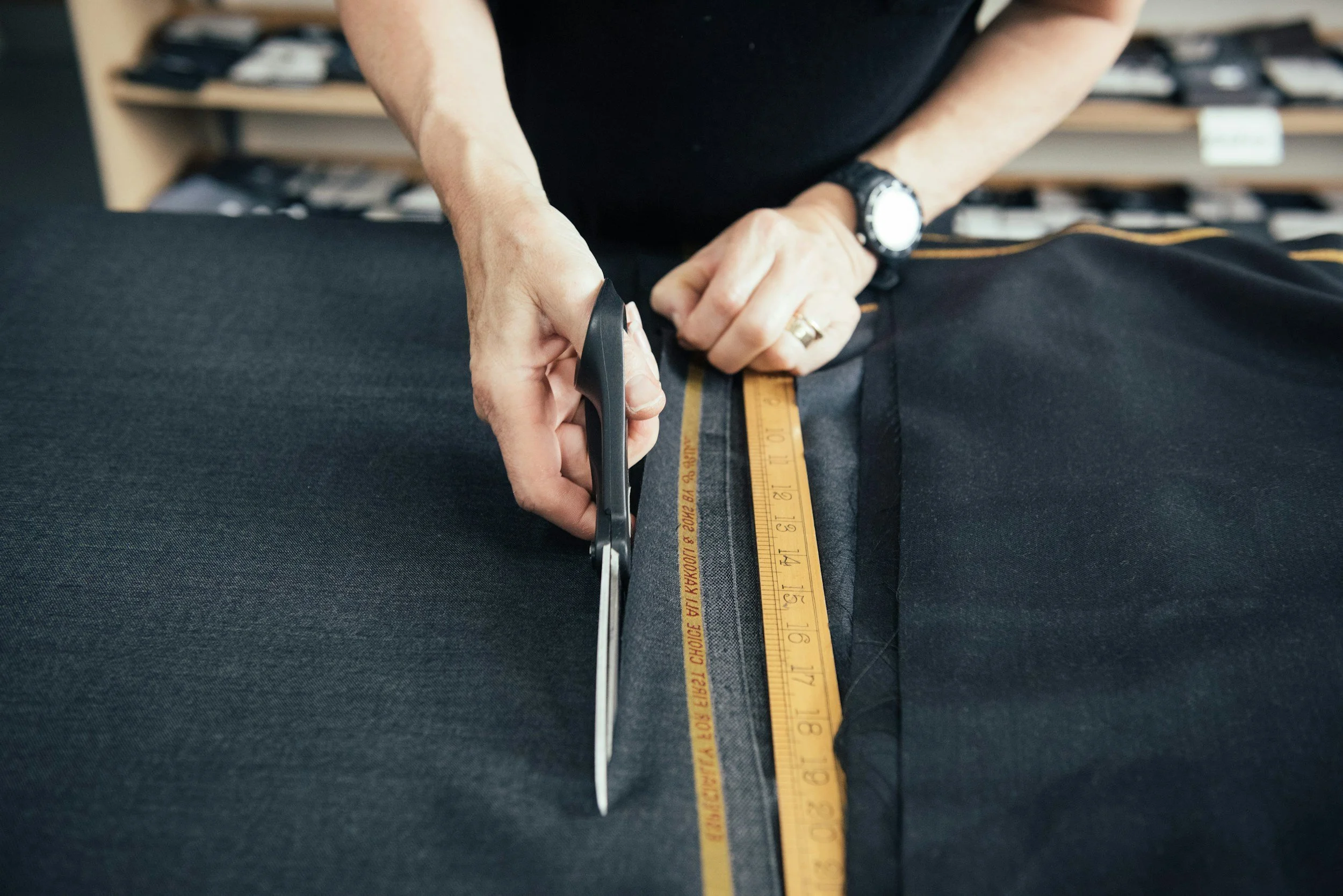
Usable Width vs. Nominal Width: The Fabric Detail That Changes Garment Cost
Usable width—not only nominal width—can change cutting yield, fabric consumption, and the true cost of every garment. A practical guide for sourcing teams and apparel buyers.
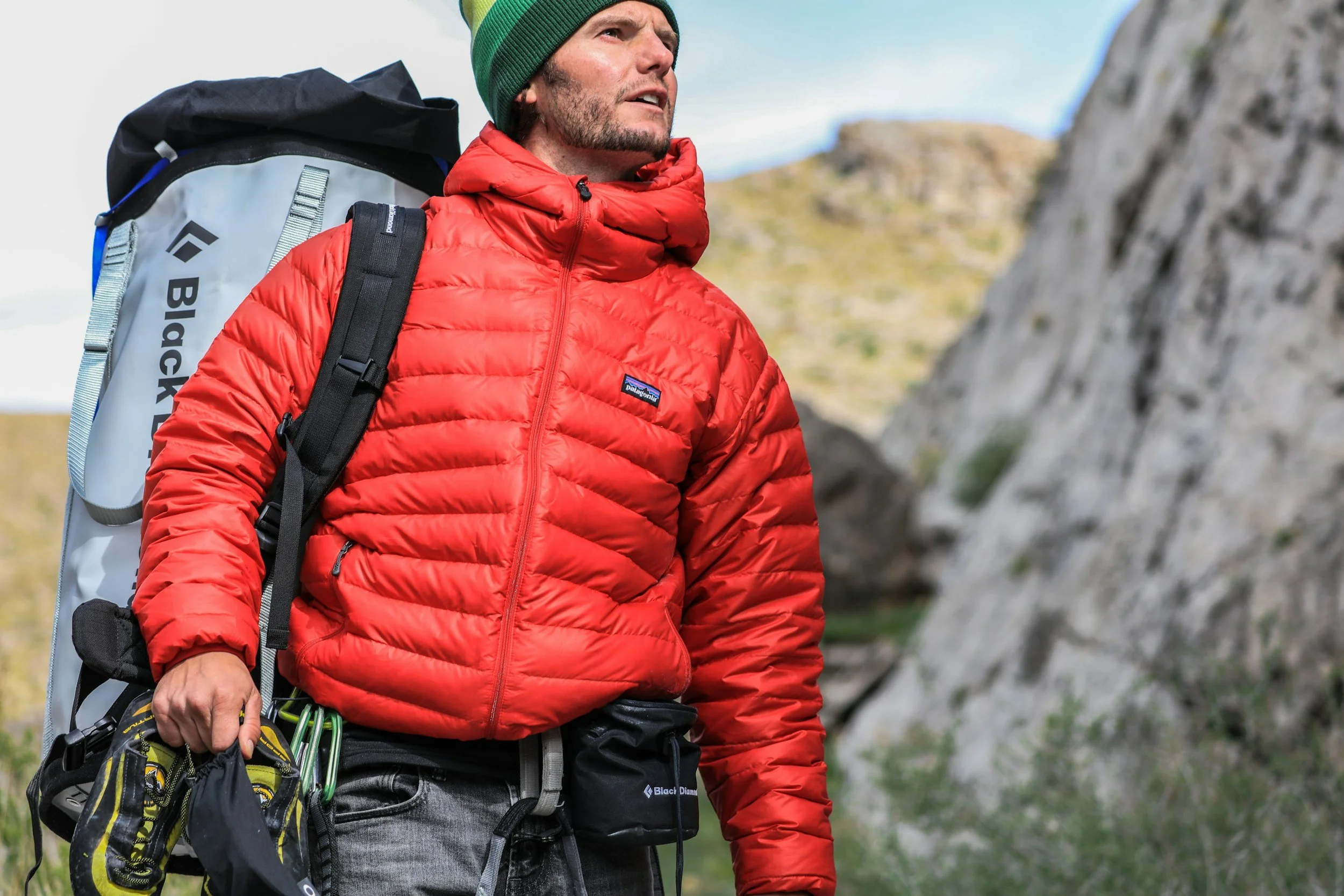
Stretch Recovery Matters: How Apparel Buyers Can Evaluate Four-Way Stretch Fabric Beyond Percentage
Why stretch recovery—not only stretch percentage—determines shape retention, comfort, and sourcing performance in four-way stretch apparel.
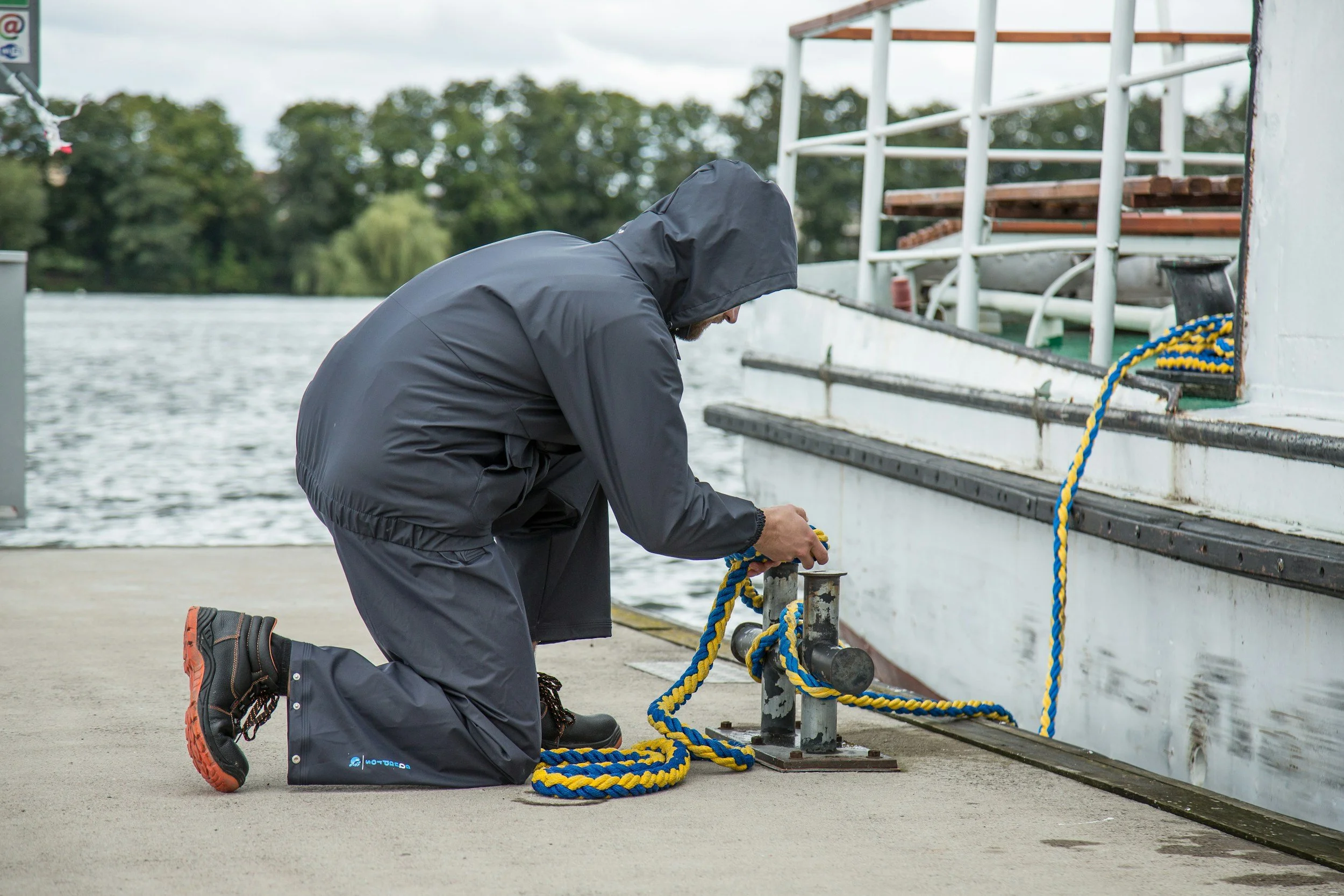
Antifluido Fabric Is Not the Same as Waterproof: A Practical Guide for Global Apparel Buyers
Antifluido and waterproof fabrics are not the same. Learn how global apparel buyers can specify water repellency, testing, durability, stretch, and comfort more precisely.

Why the Cheapest Fabric Can Become the Most Expensive Product in Your Catalogue
A low fabric price can create a high commercial cost when bulk production fails to reproduce the approved sample. Learn how importers can reduce sourcing risk through repeatable production and controlled inspection.
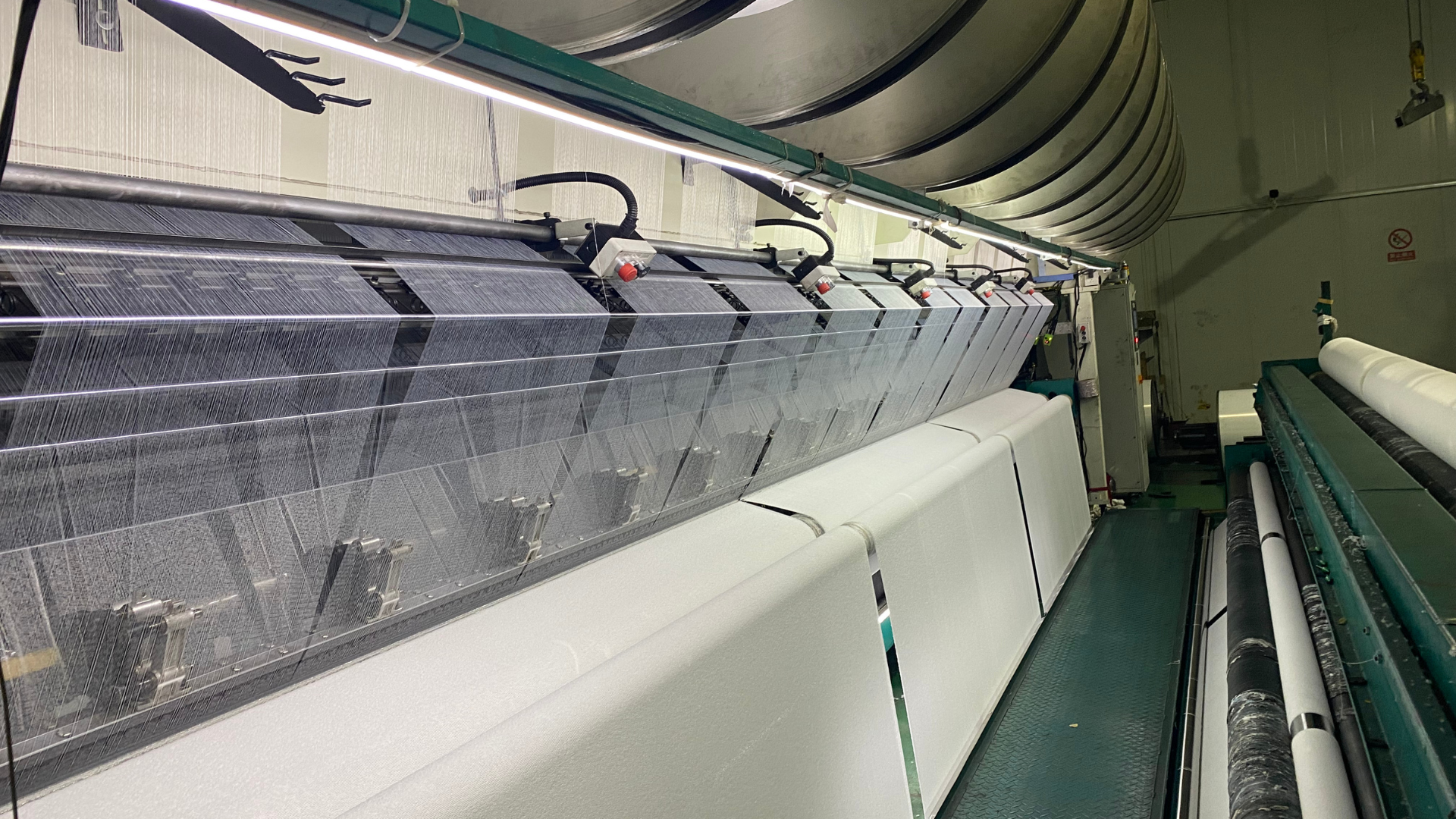
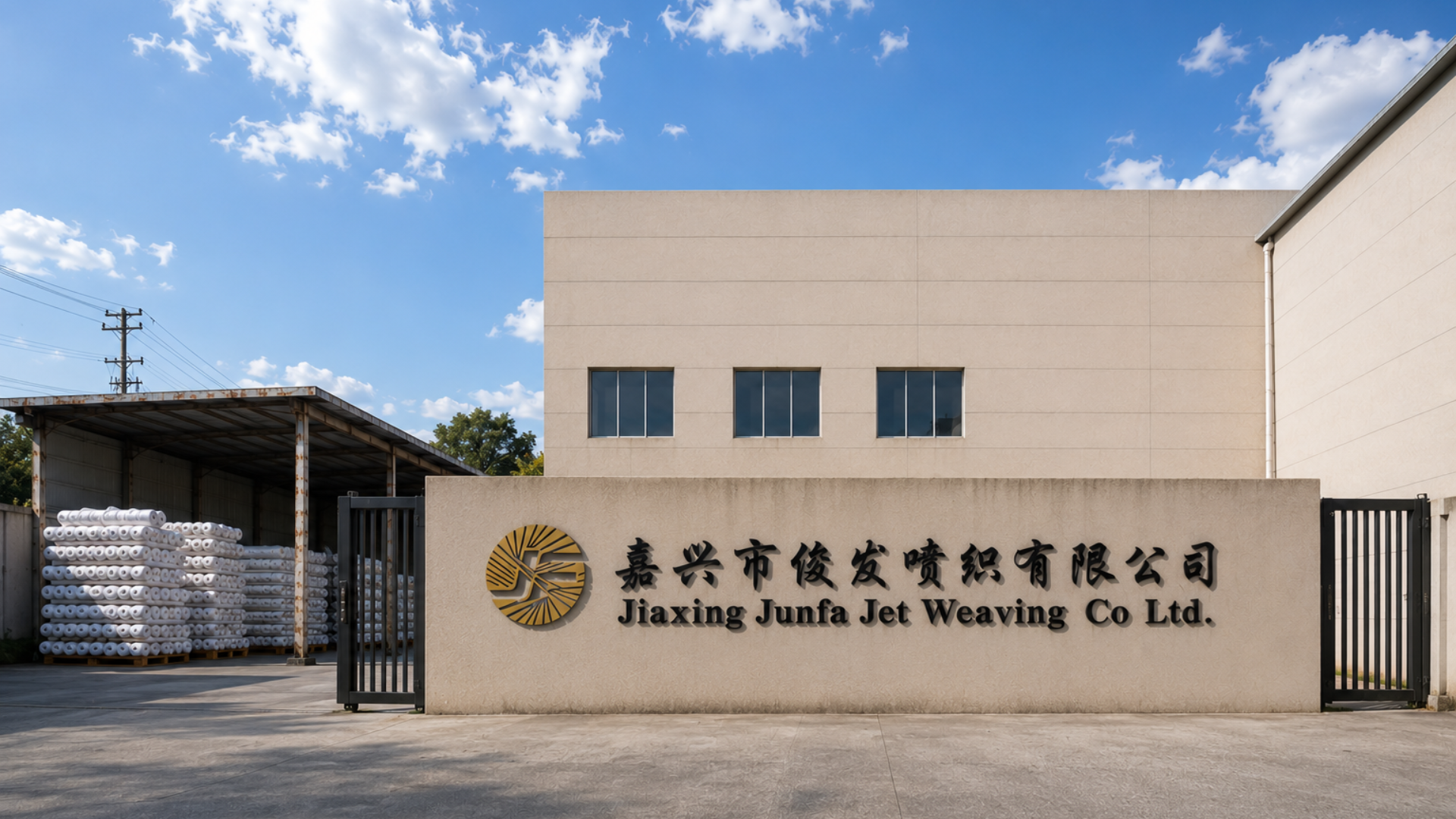
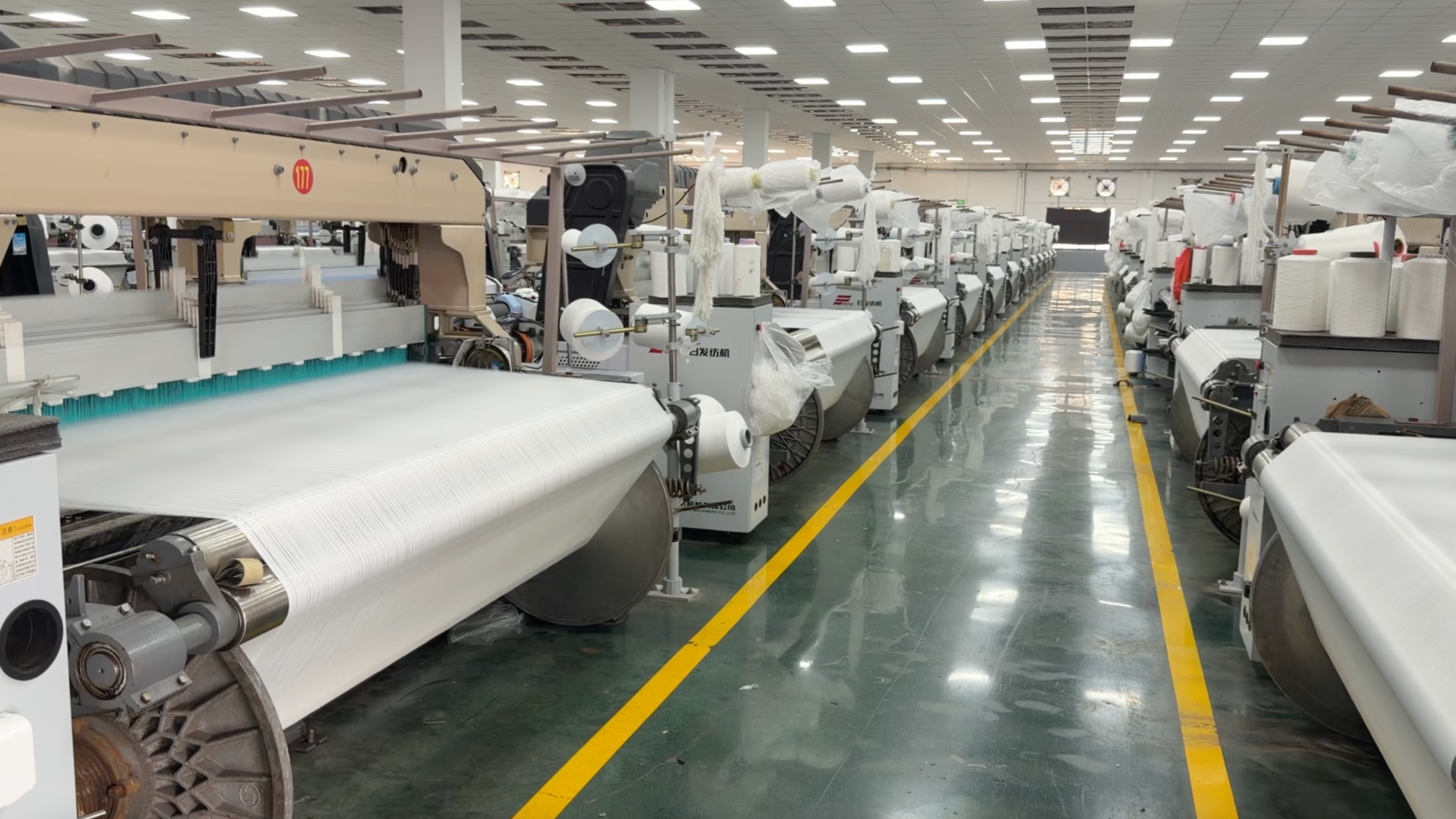

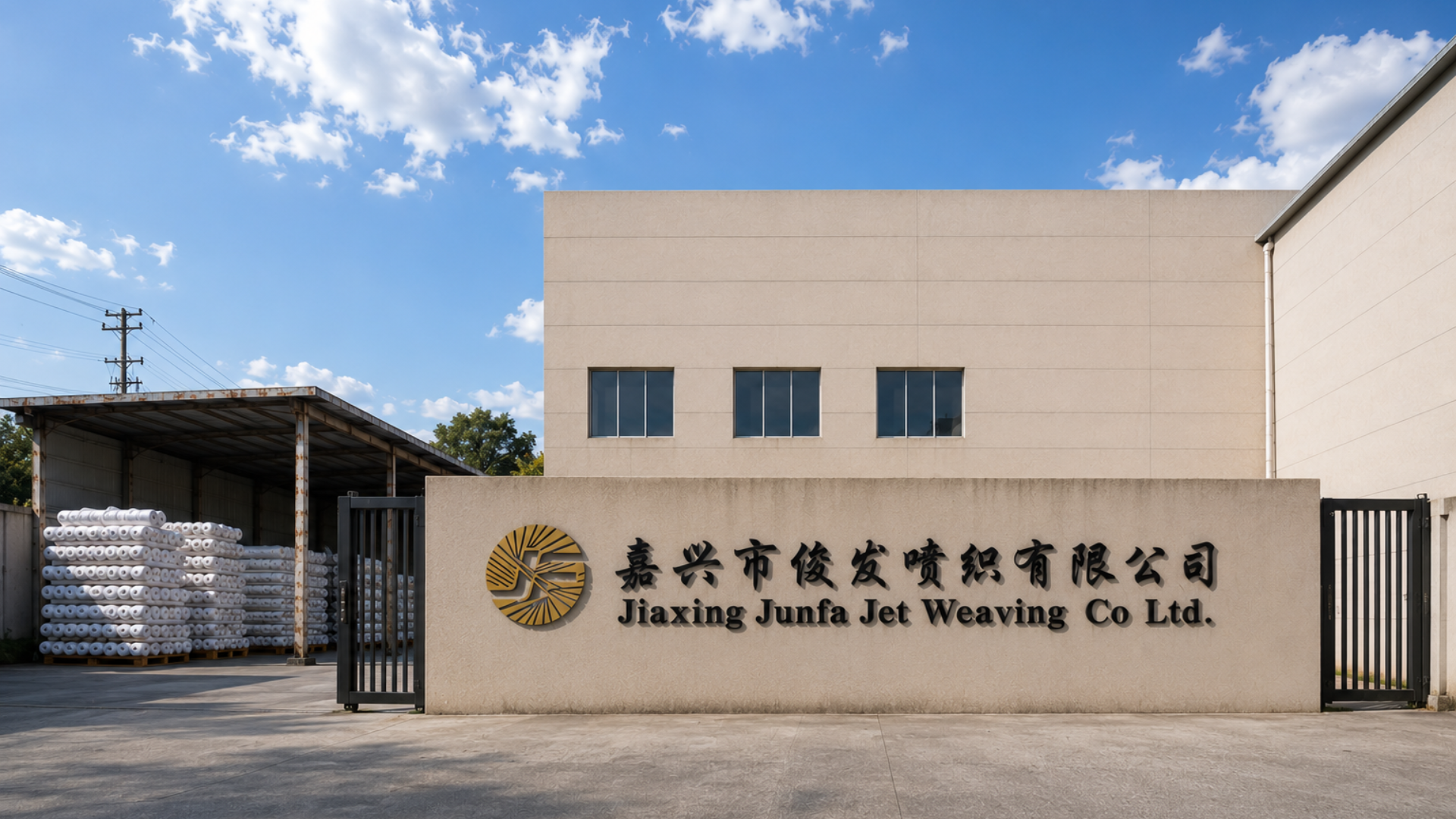
Supplier vs. Manufacturer: Why Direct Factory Control Matters in Textile Sourcing
For many importers and wholesalers, sourcing fabric from China can feel simple at first. You find a supplier, request a price, confirm a sample, and place an order.
But the real problems often appear later.